Middlesex County Public Records provide official documents created and maintained by county and local government offices in New Jersey. These records help residents review court activity, property details, and government decisions with clear and reliable information. They support public review of how county services operate and how legal matters get recorded. Many people use these records for personal, legal, or business-related needs.
Middlesex County Public Records cover a wide range of government records, including court files, land documents, and vital records. These materials remain available under New Jersey open records law, with limited exceptions for privacy or safety reasons. Residents often rely on them to verify facts, confirm ownership, or review past actions. Clear Middlesex Court Record systems help maintain trust between the public and county offices.
Middlesex County Public Record Search
A Middlesex County public record search helps users locate government documents such as court files, property deeds, liens, and other official records. Searches can be conducted online or in person at county offices. Official site links are provided for accurate access.https://mcrecords.co.middlesex.nj.us/recordssearch
Search Property & Land Records Online
Official Portal for Property Records
Use this official online database to access deeds, mortgages, liens, and other land documents:
Middlesex County Property Records Search :https://mcrecords.co.middlesex.nj.us/recordssearch
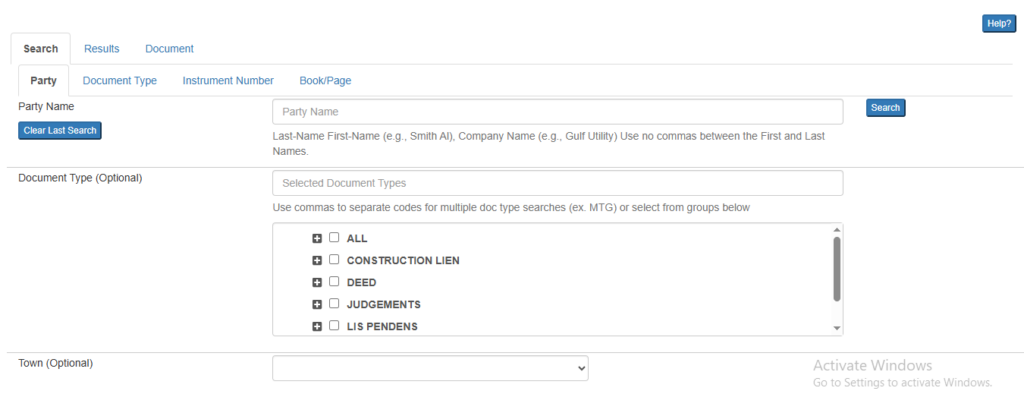
Steps to Instructions:
- Open the link in your browser.
- Click the Search Now button.
- Enter the property owner’s name, book/page number, or document type.
- Click Search to view results.
- Select a record to view details, download, or print.
Database Coverage:
- Deeds: from 1929 onward
- Mortgages: from 1950
- Other documents: from 1958
Request Public Records via OPRA
Open Public Records Act (OPRA)
If a record is not available online, you can file an official request through OPRA. The county provides a secure online submission form.
Official OPRA Request Page:
Submit an OPRA Request : https://www.middlesexcountynj.gov/find-programs-and-resources/file/an-opra-request
Step-by-Step Instructions:
- Open the OPRA page.
- Fill out your name and specify the records you are requesting.
- Choose a delivery method: email, mail, or in-person pick-up.
- Submit the request.
Notes:
- Typical response time: 7 business days.
- Provide detailed information such as names, date ranges, or document types to help custodians locate records efficiently.
Search Court Records
For official court dockets and case listings, the New Jersey Judiciary provides a public access portal. Middlesex County Court does not host a complete online database for all cases.
NJ Courts Public Access:
New Jersey Courts : https://www.njcourts.gov/
Use This Portal To:
- Search civil and criminal cases
- Check case numbers and dockets
- View public case filings
What Are Middlesex County Public Records?
Public records Middlesex County NJ refers to official documents created or kept by county and local government offices during daily operations. These records exist so the public can review government activity and confirm facts tied to legal or civic matters.
Middlesex County public records fall under New Jersey public records law, which supports transparency and public oversight. The law sets clear rules for how records get requested, reviewed, and released.
Clear Definition of Middlesex County Public Records
Public records in Middlesex County include written, printed, recorded, or digital materials produced as part of government duties. These government records document actions, decisions, and transactions handled by public offices.
Examples of official documents include:
- Court filings and case dockets
- Property deeds and land ownership files
- Marriage licenses and probate records
- Meeting minutes and resolutions
- Permits, licenses, and tax documents
Each record connects to a specific function of county or municipal government. Records do not include personal notes or materials created outside official duties. This distinction helps protect privacy while keeping core government activity visible.
New Jersey public records law treats these materials as public property. That rule applies even if a record exists in electronic form or stored off-site.
Legal Basis Under New Jersey OPRA
The Open Public Records Act, known as OPRA, governs public records Middlesex County NJ. This law gives residents the right to request and review most government records.
OPRA outlines:
- Which records qualify for release
- Time limits for office responses
- Allowed fees for copies or certifications
- Legal exemptions tied to safety or privacy
Some records remain restricted, such as active investigations or certain personnel files. These limits aim to balance openness with legal protection.
OPRA applies across county, municipal, and state agencies. That consistency helps residents follow the same process across offices.
Who Maintains These Records
Record custodians manage public records in Middlesex County. A custodian works within each government office and controls records created by that office.
Common record custodians include:
- County Clerk for land and election records
- Surrogate for estate and probate files
- Court clerks for case records
- Municipal clerks for local documents
Requests go directly to the custodian who holds the record. This structure keeps records accurate and reduces confusion.
Types of Public Records Available in Middlesex County
Middlesex County public records cover several record categories created by government offices. These records allow public review of legal activity, property ownership, life events, and law enforcement actions.
Each category follows New Jersey public records law and supports transparency through controlled public access.
Court Records
Middlesex County court records document legal cases handled by county and municipal courts. These records show how cases move through the justice system from filing to final decision.
Common Middlesex County court records include:
- Civil case records related to disputes, contracts, and property matters
- Criminal records tied to charges, indictments, and sentencing
- Family court records covering divorce, custody, and support cases
- Traffic and municipal court case files
Court records usually contain case filings, hearing dates, motions, rulings, and judgments. Dockets list scheduled court appearances and track case progress.
Property & Land Records
Property records Middlesex County document real estate ownership and land transactions. These land records confirm legal ownership and financial interests tied to property.
Key land records include:
- Deeds showing property transfers
- Mortgages and release filings
- Liens filed by courts or agencies
- Tax assessments
- Ownership history reports
The Middlesex County Clerk records these official documents. Once recorded, they become part of the permanent public land record system.
Property records support:
- Home buying decisions
- Title verification
- Tax review
- Legal ownership confirmation
Vital Records
Middlesex County vital records document major life events recorded by government agencies. These records establish legal identity and family relationships.
Common vital records include:
- Birth records
- Marriage records
- Death certificates
Vital records often require certified copies for legal use. Certified copies carry official seals that confirm authenticity.
Eligibility requirements apply to many requests. Some records release only to authorized parties. Identity verification helps protect private information.
Criminal Justice & Law Enforcement Records
Criminal justice records document law enforcement actions across Middlesex County. These records reflect arrests, investigations, and case activity.
Common record types include:
- Arrest records
- Police reports
- Criminal history records
Police reports describe incidents, officer observations, and reported facts. Arrest records list charges, dates, and booking details.
How to Request Public Records in Middlesex County
An OPRA request in Middlesex County allows the public to ask for official government records held by county or local offices. The process follows New Jersey open records law and uses a formal request system with clear steps and timelines.
The OPRA process exists to support transparency while protecting restricted information. Below is a clear breakdown of how to request public records and what to expect at each stage.
Steps to OPRA Request Process
The OPRA process follows a structured path so record requests stay organized and traceable. Each request goes to a designated records custodian within the responsible office.
Identify the correct office
Each government office maintains its own records. Court clerks handle court files, the County Clerk manages land records, and municipal clerks store local documents. Sending the request to the right office speeds up review.
Complete a formal request
New Jersey law requires a written request. Verbal requests do not qualify under OPRA. Most offices provide a standard OPRA form.
Submit the request
After completion, the request goes to the records custodian through approved submission methods.
Wait for review and response
The custodian reviews the request, checks record status, and prepares a response within the legal timeframe.
This structured system helps track requests and supports consistent handling across departments.
Submission Methods Available
Middlesex County offices accept OPRA requests through several approved methods. Each option follows the same legal standards.
Common submission methods include:
- Online submission through official county or municipal portals
- Mail delivery using printed OPRA forms
- In-person drop-off at the custodian’s office
Online submission often works best for faster processing and request tracking. Mail and in-person requests still remain valid under open records law.
Required Request Details
A clear and complete request reduces delays. OPRA requests work best when details stay specific and focused.
Most requests should include:
- Requester name and contact details
- Description of the requested records
- Relevant dates or time range
- Preferred format for copies, such as digital or paper
Vague requests may lead to follow-up questions or processing delays. Narrow descriptions help custodians locate records more efficiently.
Fees may apply for copies, certifications, or extensive search time. Custodians usually share cost estimates before fulfilling the request.
Response Timeframe Under New Jersey Law
New Jersey open records law sets a defined response timeframe for OPRA requests. Most offices must respond within seven business days after receiving a valid request.
A response may include:
- Full release of requested records
- Partial release with legal redactions
- Denial with written legal explanation
- Notice of extra time needed for large requests
If records require extended review, custodians may request additional time with written notice. Failure to respond within the legal window may count as a denial under OPRA rules.
Appeal options exist through the Government Records Council or Superior Court if disputes arise.
Role of the Records Custodian
The records custodian serves as the official manager of government records. This role includes reviewing OPRA requests, applying legal exemptions, and issuing responses.
Custodians balance public review rights with privacy limits set by law. Their decisions rely on statute, case law, and record type.
Fees, Processing Times, and Delivery Methods
Public records requests in Middlesex County may involve fees and set processing periods based on record type and request size. These rules help offices manage workload while keeping record delivery fair and consistent.
Costs and timing vary by request. Clear expectations help requesters plan ahead and avoid delays.
Public Records Fees and Copying Costs
Public records fees depend on the format and volume requested. Many offices allow free inspection of records on-site, though fees apply for copies or certifications.
Typical charges include:
- Copying costs per page for paper records
- Certification fees for official use documents
- Special service charges for large or time-intensive searches
Digital copies often cost less than paper versions. Some offices waive fees for minimal page counts.
Processing and Turnaround Time
Turnaround time follows New Jersey open records law. Most requests receive a response within seven business days.
Larger requests may take longer. Custodians may issue written notices if more time is required.
Expedited requests may receive priority review in limited situations, though approval depends on office policy and workload.
Delivery Options
Records may be delivered through:
- Electronic delivery by email or secure file link
- Paper copies sent by mail
- In-office pickup for completed requests
Inspection vs copies remains an option. Inspection allows review without charges, while copies involve standard fees.
Records That May Be Exempt or Restricted
Some government files remain protected under New Jersey law. These exempt records protect privacy, safety, and legal integrity.
Restrictions support trust and legal compliance.
Common Restricted Public Records
Restricted public records often include:
- Active criminal investigations
- Certain personnel and medical files
- Juvenile court materials
- Security plans and sensitive infrastructure data
These limits prevent misuse and protect private information.
Privacy Protections and Redactions
When records contain mixed content, offices may issue redactions. Redactions remove names, addresses, or identifiers before release.
Protected data may involve:
- Social Security numbers
- Financial account details
- Victim or witness information
Redacted records still provide useful information without exposing confidential information.
OPRA Exemptions
OPRA exemptions outline which records stay restricted and why. Custodians must cite legal authority when denying or limiting a request.
Appeal options exist through state review bodies if disputes arise.
Clear exemption rules support transparency while respecting legal boundaries.
Online vs In-Person Review of Middlesex County Records
Middlesex County offers multiple ways to review publicly available records through digital systems and office visits. Each method serves different research needs.
Online Record Review
Many records appear through county and municipal portals. Online systems support quick searches for court files, land documents, and meeting records.
Digital review works best for recent filings and commonly requested documents.
In-Person Review at Government Offices
Some records remain stored at government offices or physical archives. These include older files or materials not yet digitized.
Common locations include:
- County Clerk offices
- Court clerk counters
- Municipal clerk offices
Appointments and Office Visits
Certain offices require appointment requirements for archive review. Advance scheduling helps staff prepare materials and manage space.
Locations for Public Records
Residents and researchers can access Middlesex County public records at several official locations:
Middlesex County Clerk’s Office
- Address: 75 Bayard Street, New Brunswick, NJ 08901
- Records: Vital records, land deeds, court filings, certified copies
Middlesex County Archives
- Address: 375 George Street, New Brunswick, NJ 08901
- Records: Historical documents, land deeds, court records, municipal archives
Municipal Offices in Middlesex County Towns
- Edison: Municipal Clerk’s Office – Birth, Marriage, and Death Records
- Piscataway: Municipal Court – Local Court Records
- Woodbridge: Land Records & Property Deeds
These locations provide access to both current and historical documents, ensuring transparency and public access to official information.
Historical
Founded in 1683, Middlesex County has played a significant role in New Jersey’s history. It was important during the colonial era and American Revolutionary War, and later contributed to industrial growth in the 19th and 20th centuries.
Preserved historical records include:
- Land deeds documenting property ownership changes
- Court documents for civil, criminal, and municipal cases
- Vital records, including birth, marriage, and death certificates
Modernization efforts have made many public records accessible online while complying with New Jersey’s Open Public Records Act (OPRA). Today, residents can search or request official documents, historical archives, property records, and court filings either online or in-person at county or municipal offices.
Frequently Asked Questions
Residents, businesses, and researchers often have questions about Middlesex County public records. The answers below explain common concerns and provide clear guidance on requesting government documents.
Can anyone request public records in Middlesex County?
Yes. Most public records Middlesex County NJ allows anyone to request under New Jersey’s Open Public Records Act (OPRA). Requests do not require residency, and both individuals and organizations can submit a formal request to the records custodian. Certain records, such as juvenile files or active investigations, may remain restricted.
Are Middlesex County public records free?
Inspecting records at government offices is usually free. Copying costs or certified document fees may apply for paper or digital copies. Some offices also charge small service fees for large or time-intensive requests. Online resources sometimes provide free access to commonly requested public records.
How long does a public record request take?
By law, most requests must be responded to within seven business days. Large or complex requests may require additional time, and the records custodian must provide a written notice if the review extends beyond this period. Expedited requests may be accommodated depending on office policy and workload.
Can I request records anonymously?
Anonymous requests are generally not accepted. OPRA requests typically require a name and contact information so the office can clarify the request or provide follow-up. Some records, however, are publicly viewable online without submitting a formal request.
Are older records still available?
Many older Middlesex County public records remain accessible. Historical court records, property deeds, and vital records may require in-person review at county or municipal offices if not digitized. Availability depends on the record type and retention policies. Archival staff or the records custodian can guide access to older files.
What if my request is denied?
If a request is denied, the office must provide a written explanation citing legal exemptions, such as privacy protections or security concerns. Requesters can appeal denials through the Government Records Council or file a petition with Superior Court. Redacted records may still be available even when full release is restricted.